Preparation
How to plan a route step by step
From checking the map to telling a family member: preparing for a mountain walk, including timings, the forecast and a retreat plan.
To prepare for your walk, study the topographic map and identify water sources and key junctions. Set a departure time by subtracting the estimated walking time and a safety margin from sunset. Always check the mountain-specific weather forecast and let someone know your itinerary.
8 min read · updated 14 September 2026
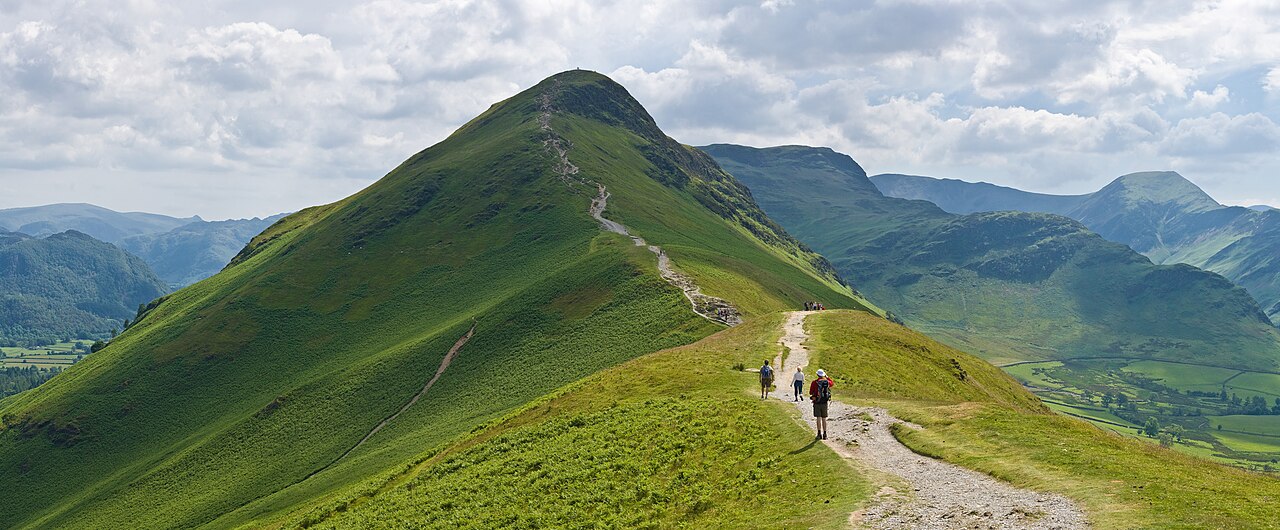
Photo: Diliff · CC BY-SA 3.0 · via Wikimedia Commons
Planning a route means answering five questions before setting off: where am I going, how long will it take, what will the weather be like, what will I do if something goes wrong, and who knows where I am?
1. Study the route on a map
Locate the route on a topographic map, not just an aerial photograph. Look at the contour lines to identify steep climbs, junctions where you could go wrong and water sources. Download the map for offline use and, if you can, carry a paper copy.
2. Work backwards to set your timings
Start with the time you want to be back, subtract the estimated route time and an extra hour as a buffer: that gives you your start time. Also set a ‘turnaround time’, the point at which you will turn back wherever you are.
3. Check the mountain weather forecast
Use a mountain-specific forecast, which gives the snow level, wind at altitude and likelihood of thunderstorms, rather than just the forecast for the town in the valley. Check it the day before and again before setting off.
4. Prepare a plan B
- A shorter variation in case the group is moving slowly.
- Escape points: where you can descend to the valley if the weather worsens.
- An entirely different option in another area if the forecast changes significantly.
5. Check your rucksack and logistics
Pack your rucksack the night before using your regular checklist, charge your mobile and power bank, check your head torch and confirm how you will reach the start: parking, whether access is restricted and whether you need a booking or permit, which is common in protected natural areas.
6. Let someone know
Share your exact route, expected return time and car registration number with someone. If you do not return, that information is the first thing the emergency services will ask for when they call 112.
When you return, note how long you actually took. After a few walks, you will have your own adjustment factor, which is much more reliable than any formula.
Sources and references
- AEMET — mountain weather forecast
- National Geographic Institute — map viewer and official maps
- 112 — single emergency telephone number in Spain and the European Union
General safety information only. It does not replace specific mountain training or emergency services (112 in Spain and the EU).