Trekking
How to prepare for a multi-day trek
Stages, weight, mountain huts, water and logistics for moving from day walks to a multi-day trek.
When planning a trek, make each stage easier than your daily maximum to manage accumulated fatigue. Try to keep your rucksack's weight at no more than 20% of your body weight, and confirm the availability of water for each day. If you stay in mountain huts, reduce your load by leaving your tent and heavy sleeping bag behind.
9 min read · updated 14 September 2026
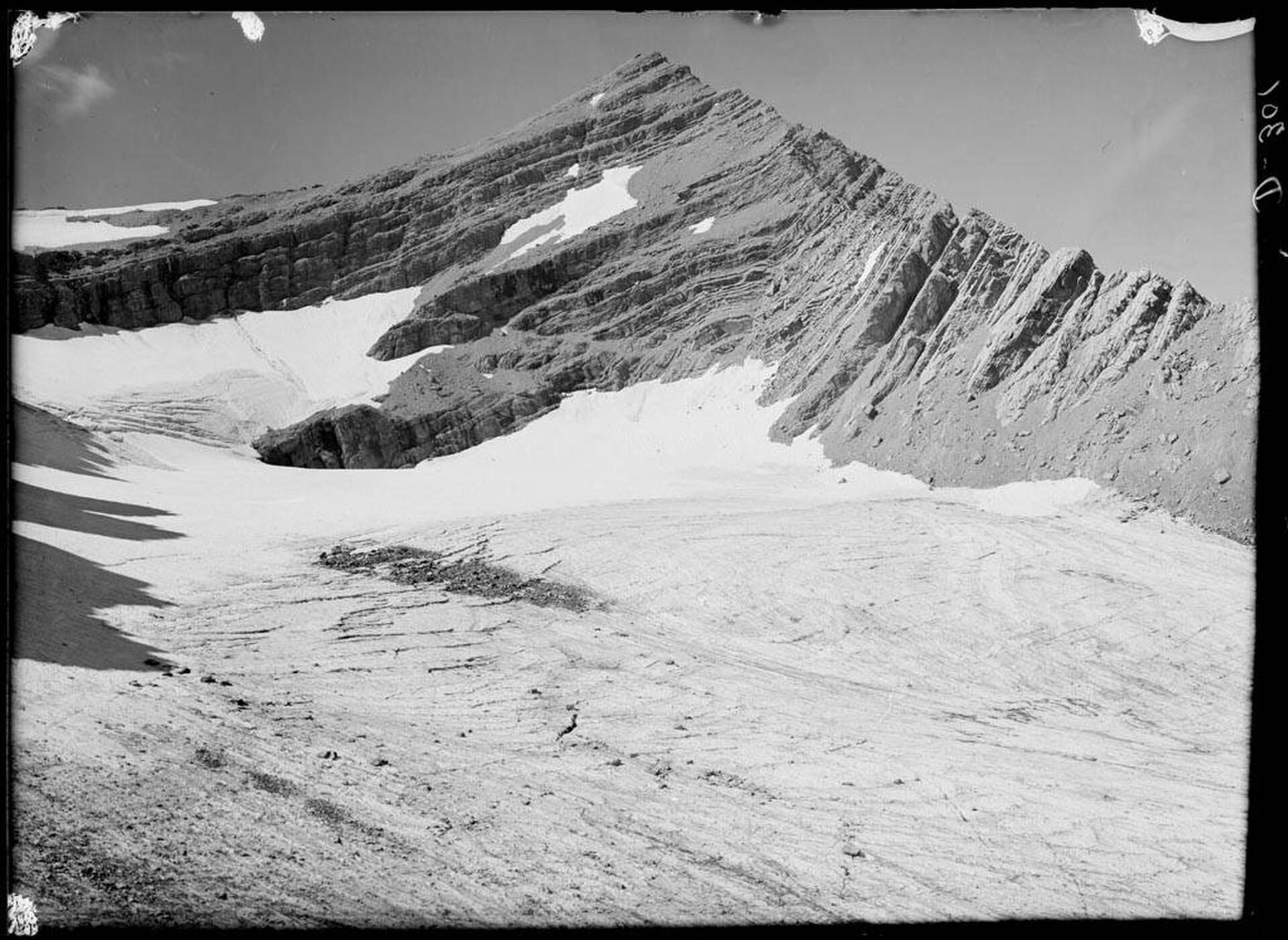
Photo: Jordiferrer · Dominio público · via Wikimedia Commons
A multi-day trek is not simply a day walk repeated several times: the weight you carry, recovery between days and logistics all change. Preparation matters more than fitness.
Planning the stages
- Start with stages that are easier than your one-day maximum: fatigue builds up.
- Schedule the most demanding days consecutively in the middle of the trek, rather than starting with one on the first day.
- Finish each stage somewhere with water and an escape route down to the valley.
- Allow a spare day in case the weather forces you to wait.
Weight: the decisive factor
A reasonable target is not to exceed 20 % of your body weight, including water and food. Weigh your loaded rucksack at home before setting off: it is the only way to know what you are really carrying. Save weight on the three heaviest items (tent, sleeping bag and sleeping mat) before cutting back on safety equipment.
Mountain huts or self-sufficiency
Staying in staffed mountain huts greatly reduces weight because you do not carry a tent, winter sleeping bag or cooking equipment, but it requires advance booking and keeping to their schedules; in peak season they are fully booked weeks ahead. Full self-sufficiency gives you freedom, at the cost of an extra 5–8 kg and the need to know the camping regulations, as camping is restricted or prohibited in many protected areas.
Water and food
Mark the water sources for each stage on your map and confirm their condition for the season when you plan to go. Carry a water treatment system. For food, calculate daily portions using energy-dense, low-volume foods, and share the weight among the group members.
Before setting off
- Do at least one practice walk with your rucksack loaded to the weight you will actually carry.
- Check the forecast in the days before departure and again each morning if you have mobile reception.
- Leave your full itinerary with someone, including stages and planned timings.
- Check your insurance cover: many travel insurance policies exclude mountain rescue. Regional mountaineering federations offer licences that include this cover.
- Carry a note of 112 and the coordinates of the mountain huts in the area.
On a multi-day trek, look after your feet every evening: washing and drying them and airing your footwear prevents most cases of having to abandon the trek.
Sources and references
- FEDME — Spanish Federation of Mountain Sports and Climbing
- AEMET — mountain weather forecast
- 112 — single emergency telephone number in Spain and the European Union
General safety information only. It does not replace specific mountain training or emergency services (112 in Spain and the EU).