Mountains
How to Hike in the Mountains: Technique and Pace
A sustainable pace, uphill and downhill techniques, using trekking poles, and how to step on loose rock.
Maintain a steady pace that allows you to talk, and take short steps uphill, placing your whole foot on the ground. On descents, bend your knees slightly and keep your torso forward to avoid falls. Trekking poles help provide stability and reduce strain on your knees during descents.
7 min read · updated September 14, 2026
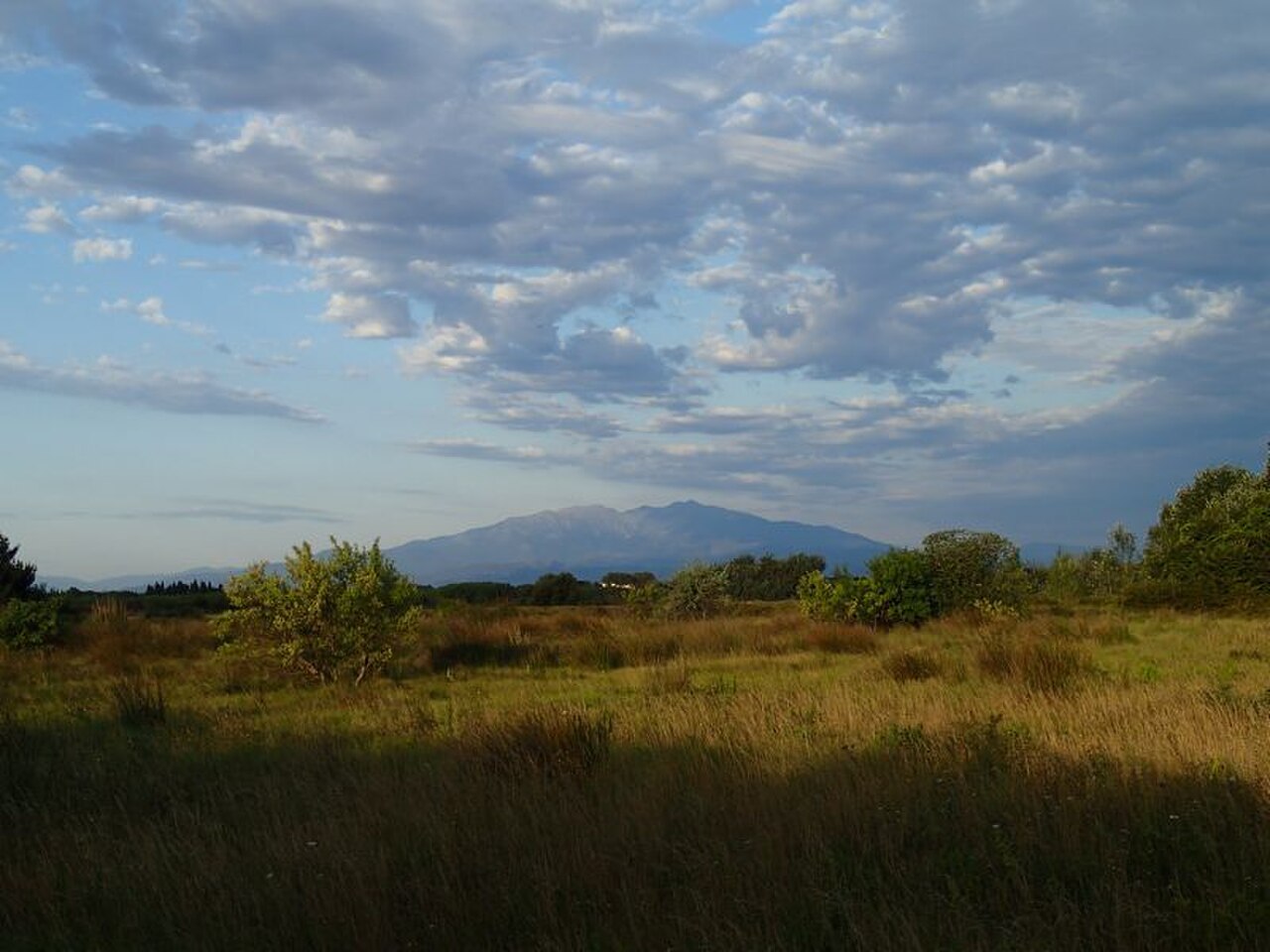
Photo: FloraTrek · CC BY-SA 3.0 · via Wikimedia Commons
Mountain hiking is a learned skill, and it shows: two people with the same fitness level can finish the same hike with very different levels of fatigue, depending on how they manage their pace and foot placement.
A Steady Pace
Start more slowly than you feel like going for the first 15 minutes. Then maintain a pace you can sustain for hours while still being able to talk. A steady pace with short breaks of 3–5 minutes is more effective than alternating hard bursts with long rests.
Uphill
- Shorten your stride rather than lengthening it; let the slope determine your stride length.
- Place your whole foot on the ground whenever possible so your calf does not do all the work.
- Use natural rock steps instead of climbing the loose soil beside them.
- On very steep slopes, zigzag along the trail; do not cut switchbacks, which causes erosion and wears you out.
Downhill
Most falls and joint damage occur during descents. Keep your knees slightly bent, your torso leaning slightly forward, and your steps short and frequent. Never descend with locked knees or run downhill with a loaded backpack.
Loose Rock and Grass
On talus slopes, step with your whole foot and look for large, stable rocks. Wet grass or pine needles provide much less traction than you might expect: slow down and use your hands if necessary. If the group is moving single file across a talus slope, keep your distance to avoid being hit by dislodged rocks.
Trekking Poles
Adjust the length so your elbow is bent at about 90 degrees on level ground; shorten them for uphill sections and lengthen them for downhill sections. They provide stability and take pressure off your knees on long descents, especially when carrying a backpack. On sections where you need your hands, stow them in your backpack instead of letting them dangle.
Starting at around 2,500 meters, altitude sickness can occur, with headaches, nausea, or insomnia. The response is to descend; neither determination nor training can compensate for it.
Sources and references
General safety information only. It does not replace specific mountain training or emergency services (112 in Spain and the EU).